
# Initial data
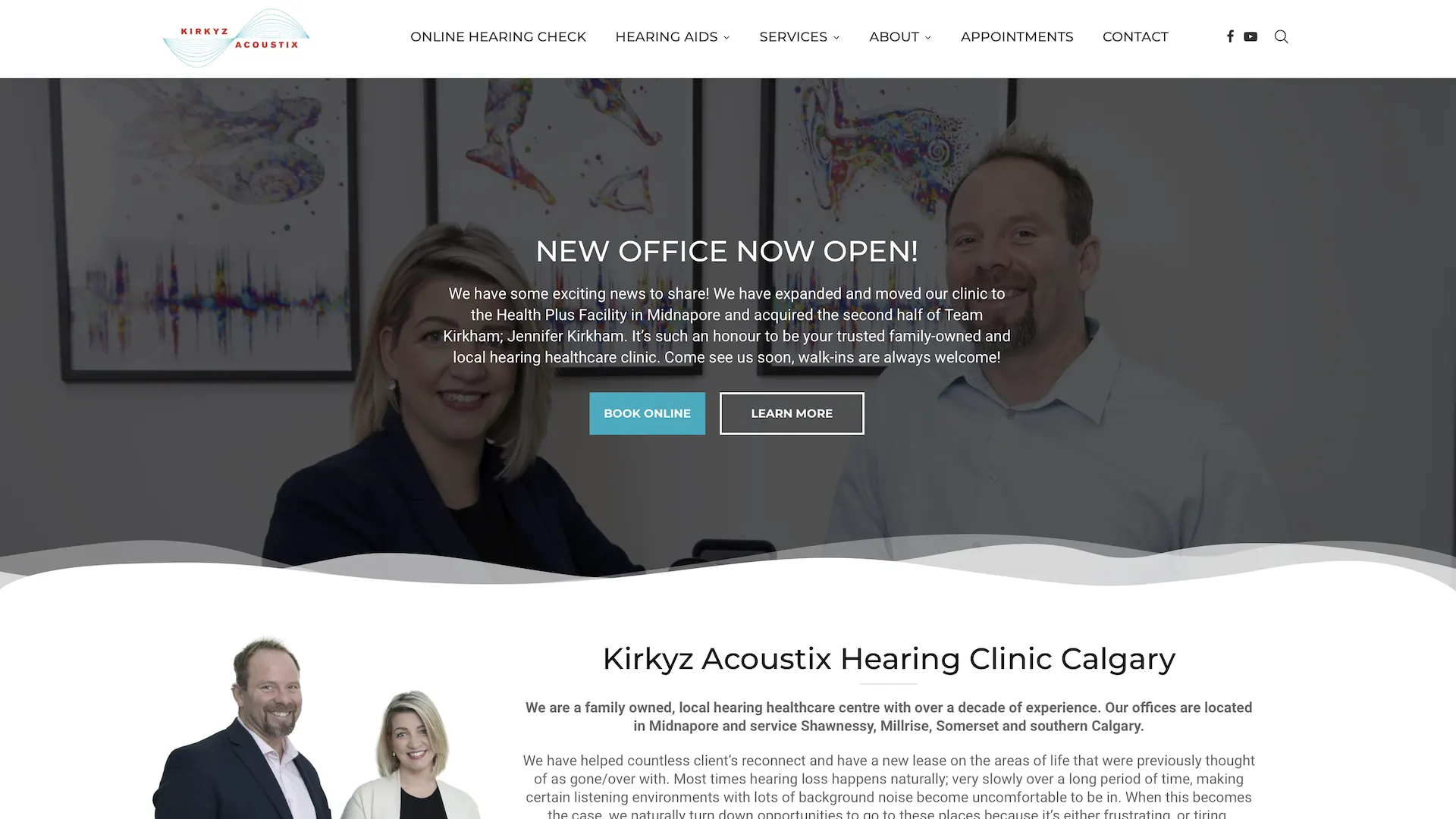
Kirkyz Acoustix is a family-owned hearing healthcare clinic in Calgary offering comprehensive hearing services, including hearing tests, hearing aid fittings from major brands, ear wax removal, maintenance, adjustments, and hearing protection with personalized onsite care.
From a technical standpoint, the site has almost no issues. The desktop version performs exceptionally well with a 98% speed score, while the mobile version is solid at 78%. The site’s structure is excellent, and the XML sitemap is in place. The only minor concerns are the absence of an HTML sitemap and a few minor code validation errors.
From the perspective of ON-Page optimization: No semantic core and long-tail keywords. Metatags are at a very primitive level. SEO content is lacking. Blog articles are few enough + excessive internal linking and not quite the right anchors. There is excessive internal linking from the footer.
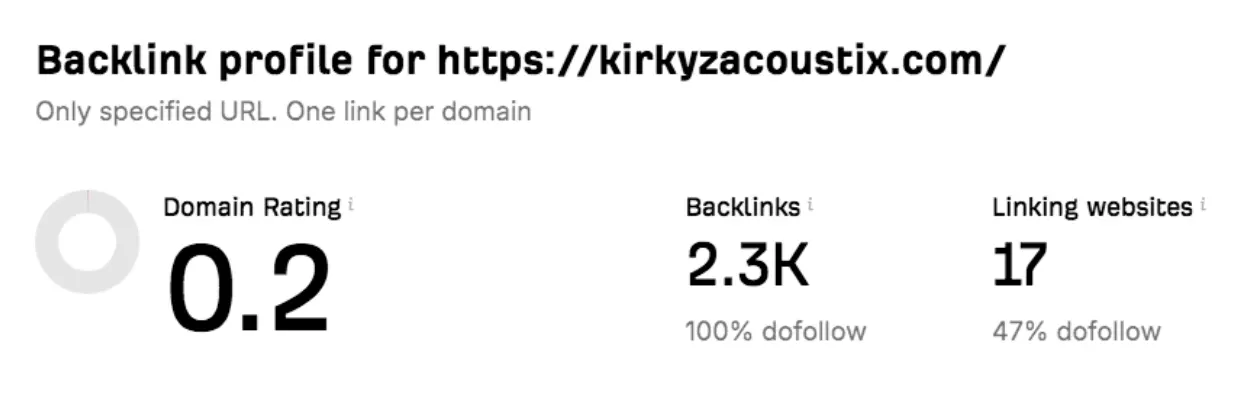
In terms of OFF-page optimization, the site is in a bad position. DR 0.2 out of 100 is a very low indicator. You can see that the site refers to 17 domains and 2300 backlinks. This is not good, because, ideally, there should be 1-3 links per 1 referring domain, but there are 2300, which is much higher than the allowed number of links for such a large number of domains. Google may perceive this as spam. In addition, 17 referring domains are not enough.
# Solutions
After analyzing the technical, on-page, and off-page weaknesses, we implemented a comprehensive SEO strategy focused on three main pillars: semantic expansion, structural optimization, and authority growth.
1. Semantic Core Development & Keyword Strategy. The first priority was building a complete semantic core. We conducted in-depth keyword research focused on:
- High-intent commercial queries
- Local modifiers (Calgary-based searches)
- Long-tail service-specific keywords
- Problem-based search queries (e.g., symptoms, hearing loss types, device maintenance)
Based on search volume, competition level, and intent, we structured keywords into clear clusters:
- Core commercial queries (e.g., hearing clinic Calgary)
- Service-specific pages (hearing tests, hearing aids, ear wax removal)
- Informational blog clusters
- Local intent modifiers
This allowed us to create a structured keyword map and assign primary and secondary keywords to each page.
2. On-Page Optimization & Content Strategy. All meta titles and descriptions were rewritten to:
- Include primary keywords
- Improve click-through rate
- Match user intent
- Avoid duplication
Each page received properly structured H1–H3 hierarchy aligned with the new semantic core.
We expanded core service pages with:
- Detailed service explanations
- Benefits and outcomes
- FAQ sections targeting long-tail queries
- Internal linking based on topic relevance
Content was optimized for both search engines and real users, focusing on clarity and trust signals.
A structured content plan was introduced. We created topical clusters around:
- Hearing loss symptoms
- Hearing aid types and comparisons
- Maintenance and care guides
- Preventative hearing protection
Internal linking was restructured to eliminate excessive links and replace generic anchors with contextual, keyword-relevant anchors. Footer-wide internal links were reduced to prevent dilution and over-optimization.
3. Internal Linking Restructuring. The previous internal linking model was overly aggressive and not strategically structured. We:
- Removed excessive repetitive footer links
- Reduced unnecessary blog cross-linking
- Implemented silo-based internal linking
- Strengthened contextual links from blog posts to service pages
- Optimized anchor diversity
This improved crawl efficiency and topical authority.
4. Technical Improvements. Although the site was technically strong, we implemented several refinements:
- Created and added an HTML sitemap
- Fixed minor code validation errors
- Improved mobile performance
- Optimized image compression where needed
- Reviewed structured data implementation
These changes ensured a clean technical foundation for scaling organic growth.
5. Backlink Profile Cleanup & Authority Building. The backlink profile required immediate attention. We analyzed the backlink profile and identified:
- Excessive links from limited referring domains
- Potential spam-like link patterns
Actions taken:
- Disavowed low-quality and toxic links
- Reduced reliance on repetitive backlink sources
We implemented a white-hat local authority strategy:
- Acquired links from relevant local directories
- Secured niche-relevant healthcare citations
- Built partnerships with local organizations
- Focused on increasing referring domains rather than link quantity
The objective shifted from volume to quality and diversity.
6. Local SEO Optimization. Given the competitive local intent of the niche, we strengthened local signals:
- Optimized Google Business Profile
- Standardized NAP consistency across citations
- Added localized landing page content
- Enhanced local schema markup
7. Conversion-Focused Improvements. To support traffic growth, we improved on-site trust and conversion elements:
- Improved call-to-action visibility
- Enhanced page structure for readability
- Implemented FAQ schema to increase SERP visibility
# Results
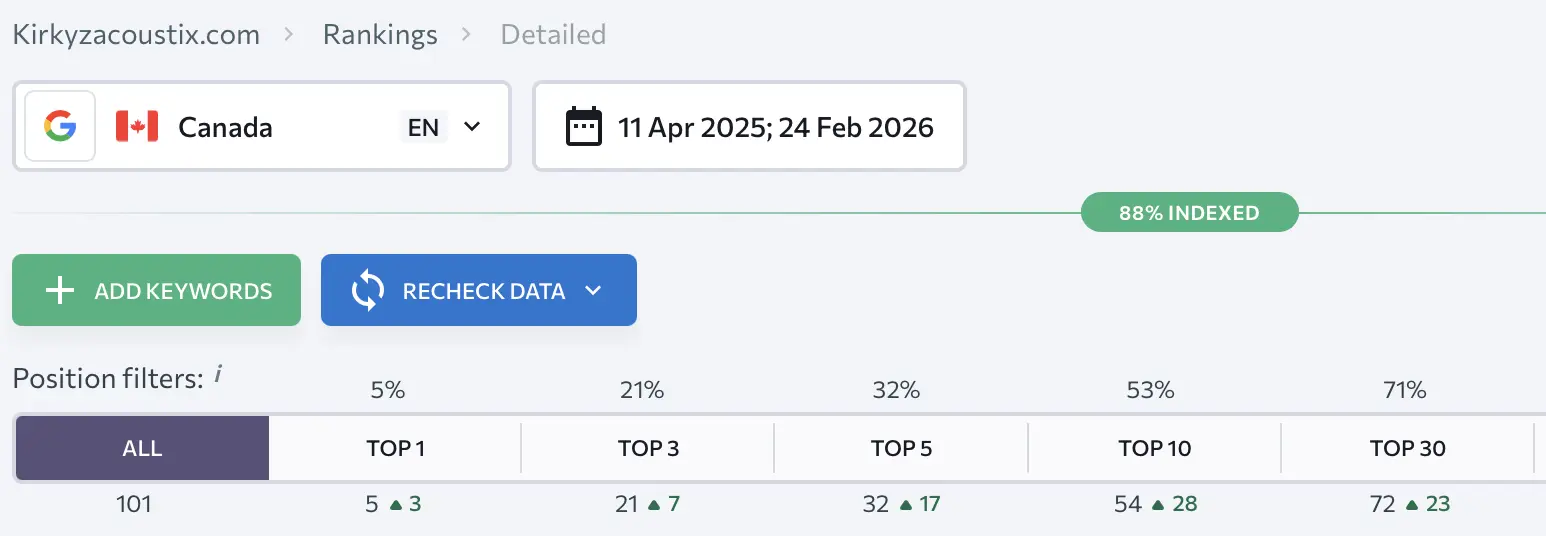
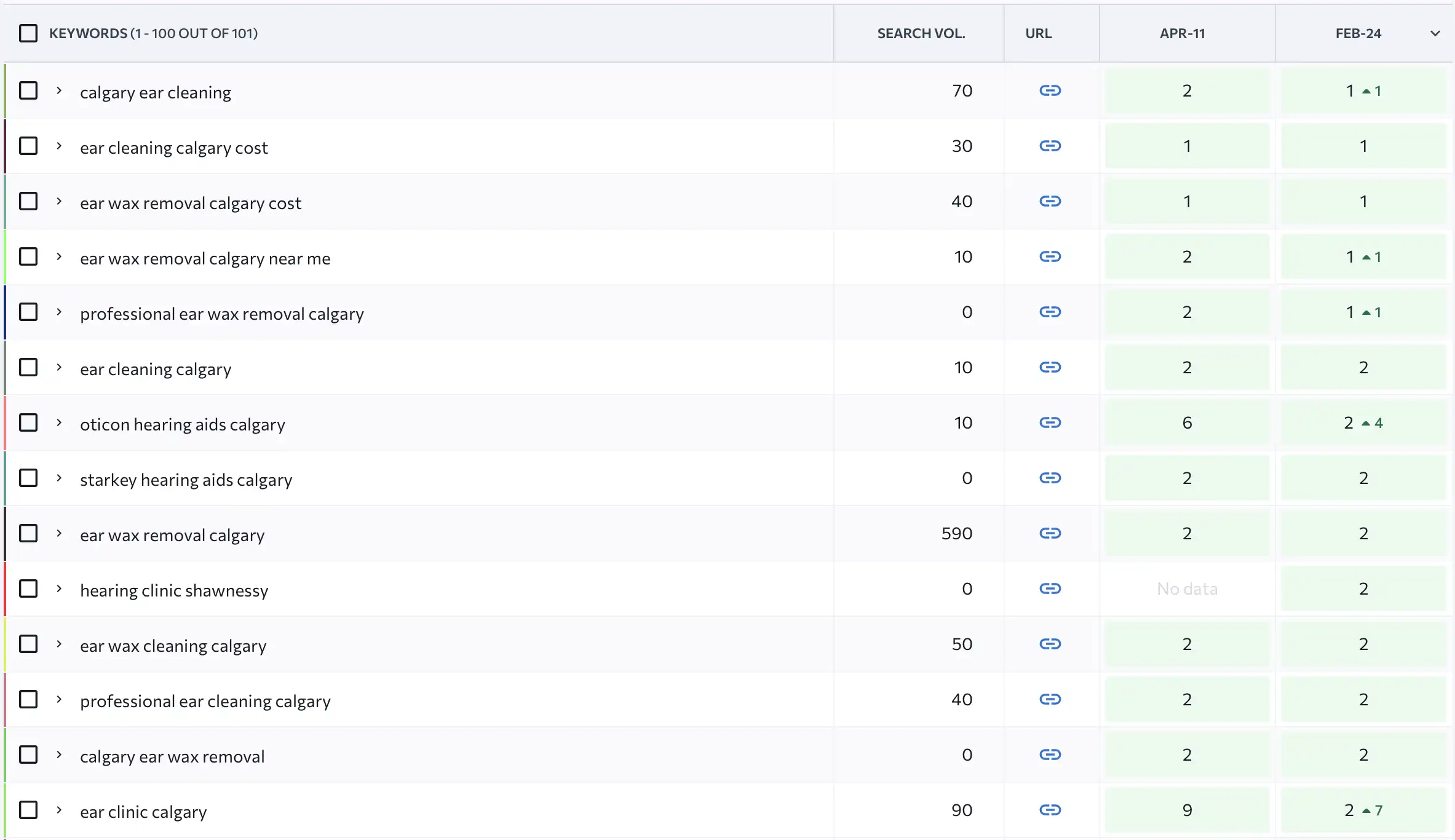
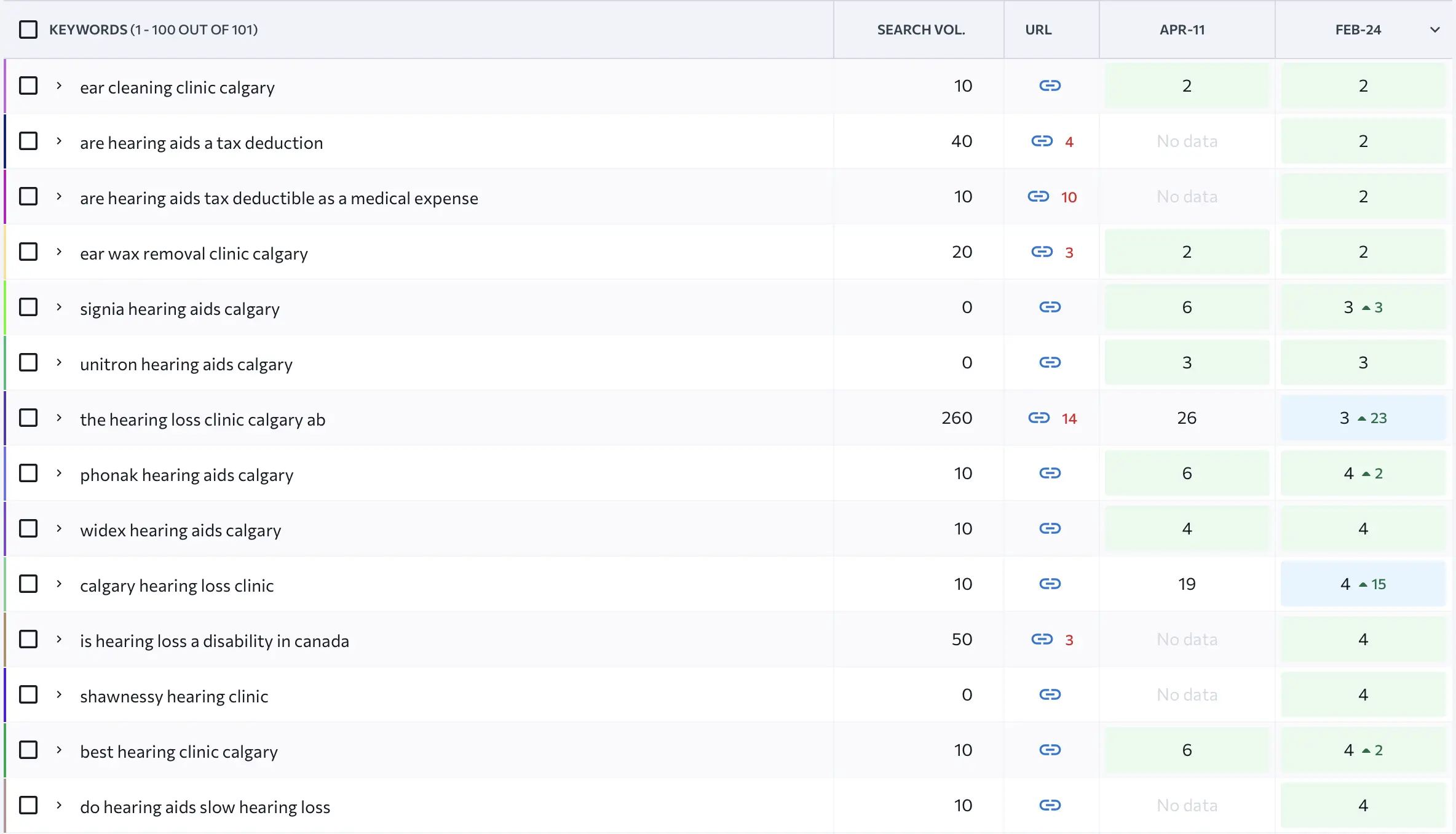
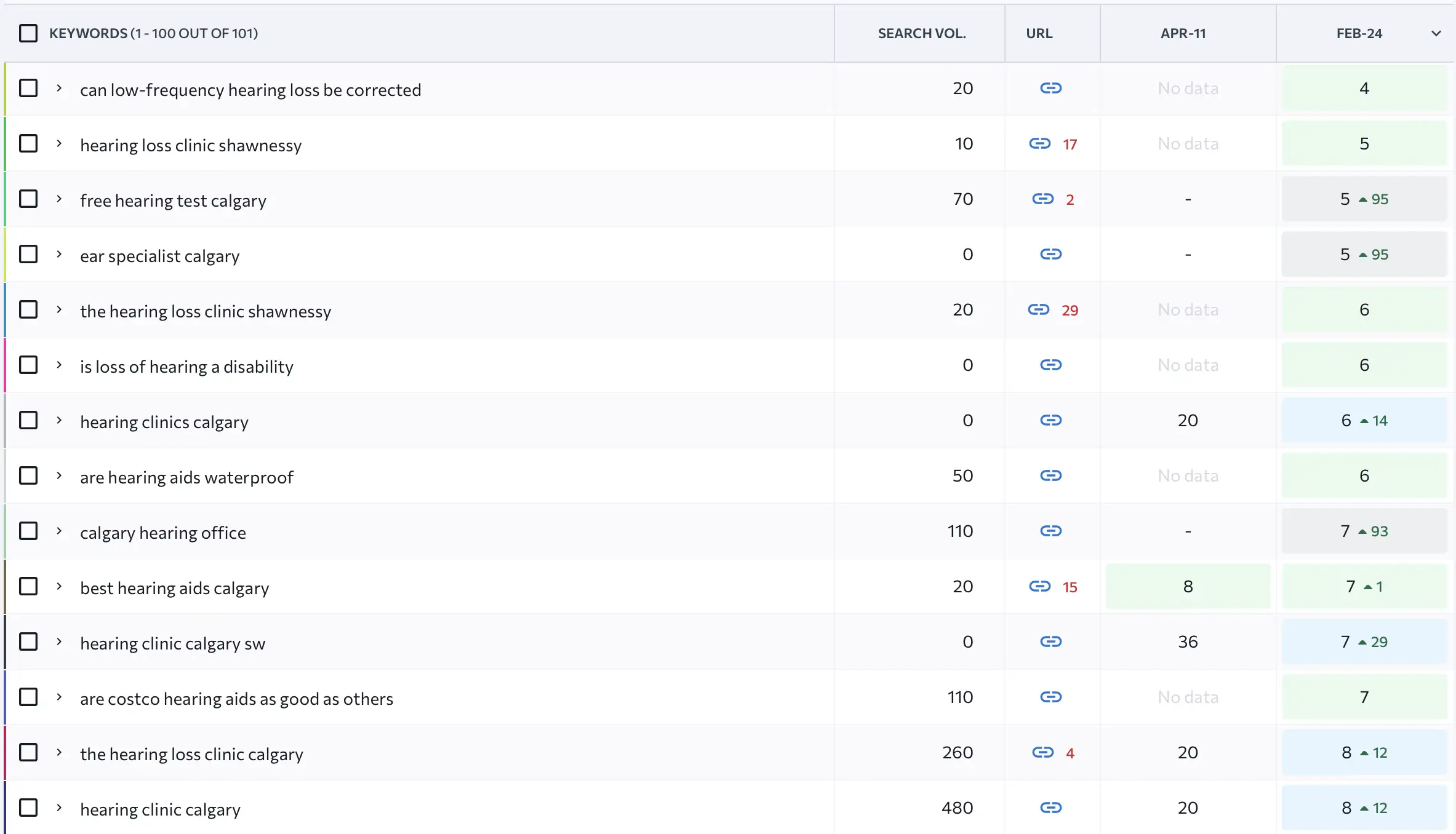
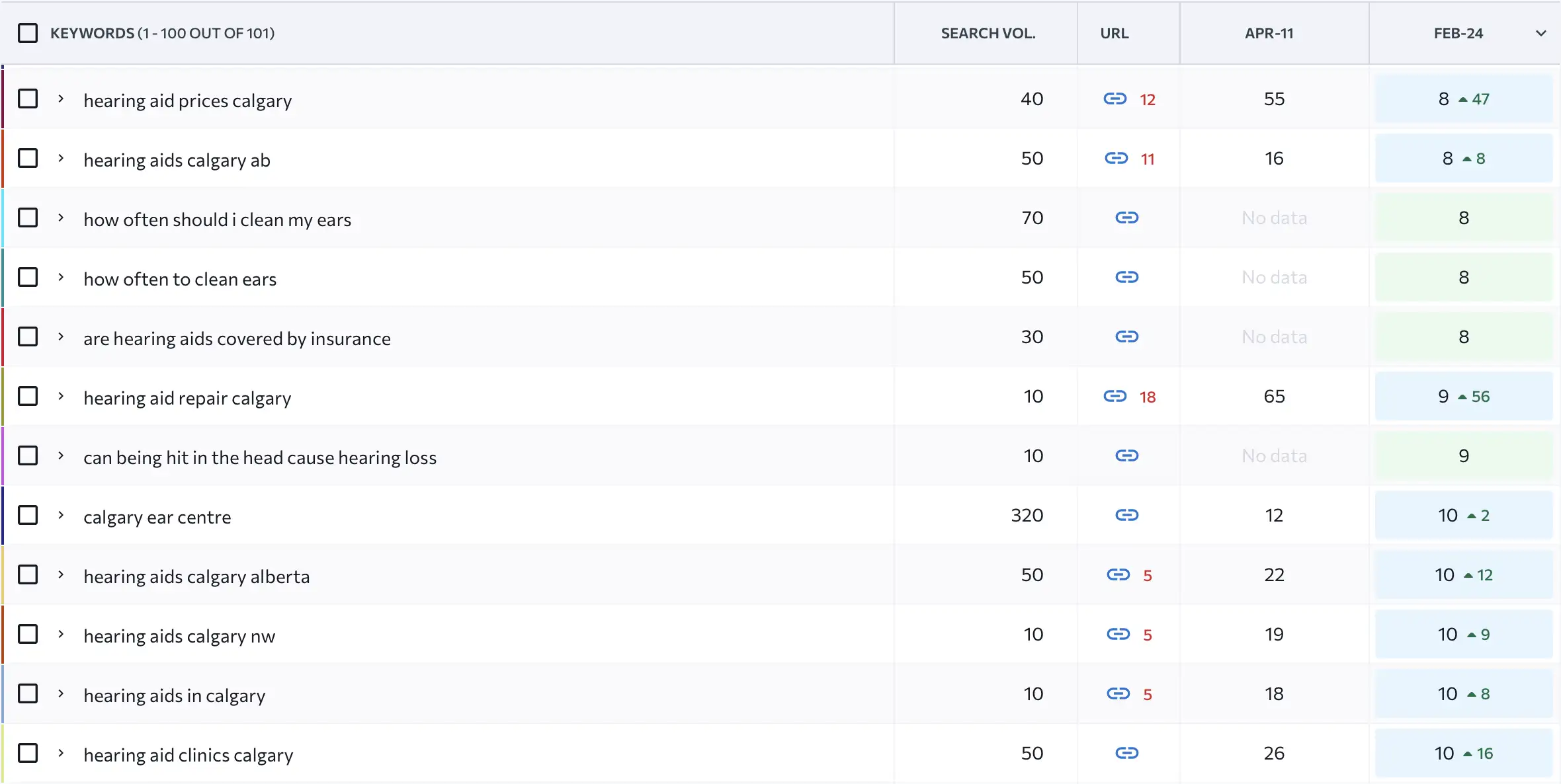
Over the course of 11 months, we managed to promote approximately 28 key queries to the TOP 10 (first page of Google), 17 key queries to the TOP 5, and 10 key queries to the TOP 3. Our greatest achievement was promoting key queries related to the word – “clinic”. The main intent for this type of keyword is websites of large medical centers and hospitals. The promoted website is not a medical center, and it was extremely difficult to compete in this niche. Nevertheless, the website currently ranks in the TOP 3 for these highly competitive commercial keywords:
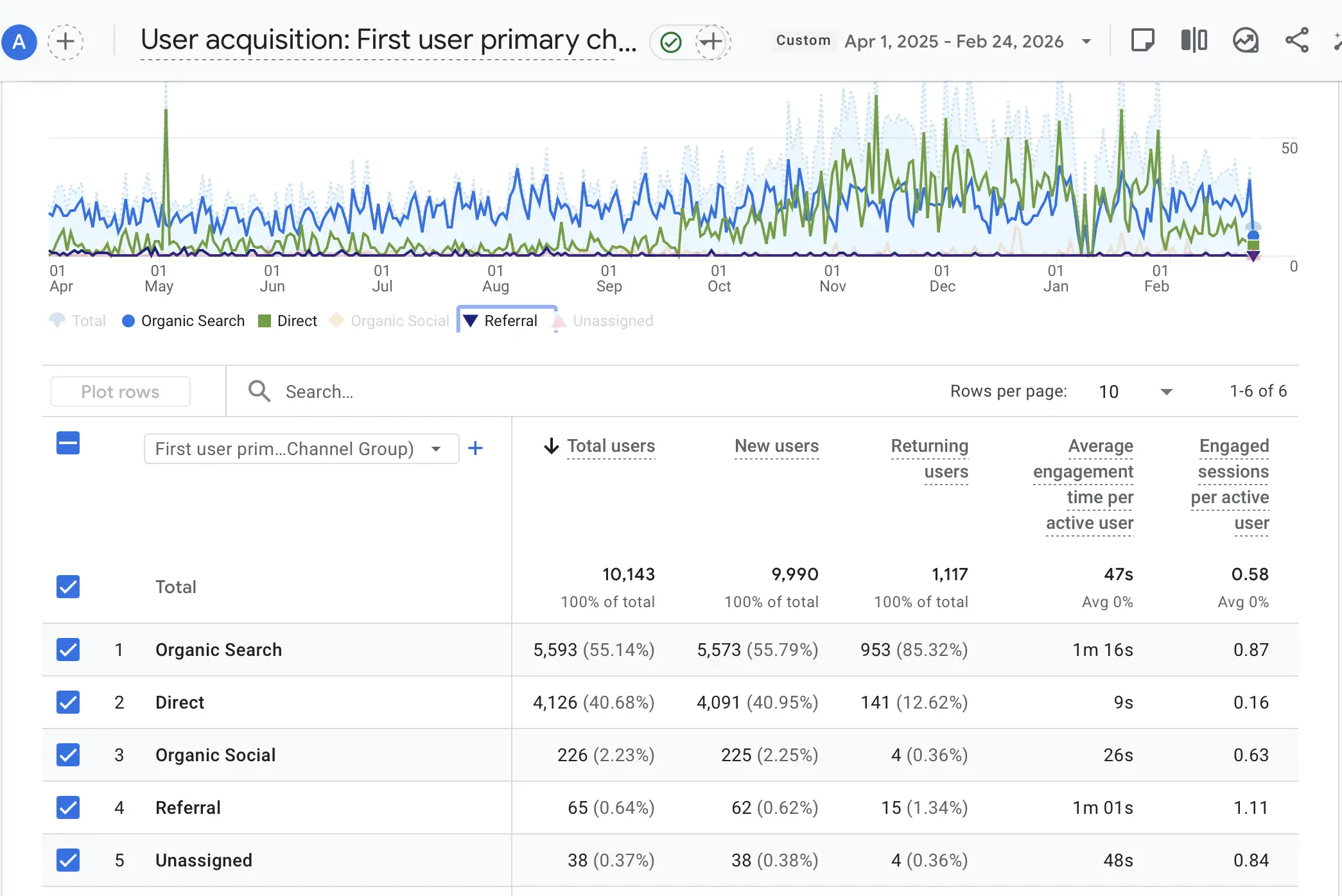
Over the course of 11 months, the site was visited by approximately 10,000 users, which is three times more than in the previous period:
About 500 users converted, i.e., performed the target action – a call, appointment booking, or message. 70% of these 500 conversions resulted in actual service registration or purchases. With an average check of $2,000, the approximate income is $700,000, which brings the local company closer to a million-dollar business, which is the upper limit of success in this niche.


